

What is the air pressure inside the bubbles of air cushion bubble wrap?
Leave a message

What is the air pressure inside the bubbles of air cushion bubble wrap?
As a dedicated supplier of Air Cushion Bubble Wrap, I often get asked about the technical details of our product, and one question that comes up quite frequently is: "What is the air pressure inside the bubbles of air cushion bubble wrap?" It's a fascinating topic that not only delves into the science behind our product but also has practical implications for its use.
Understanding the Basics of Air Cushion Bubble Wrap
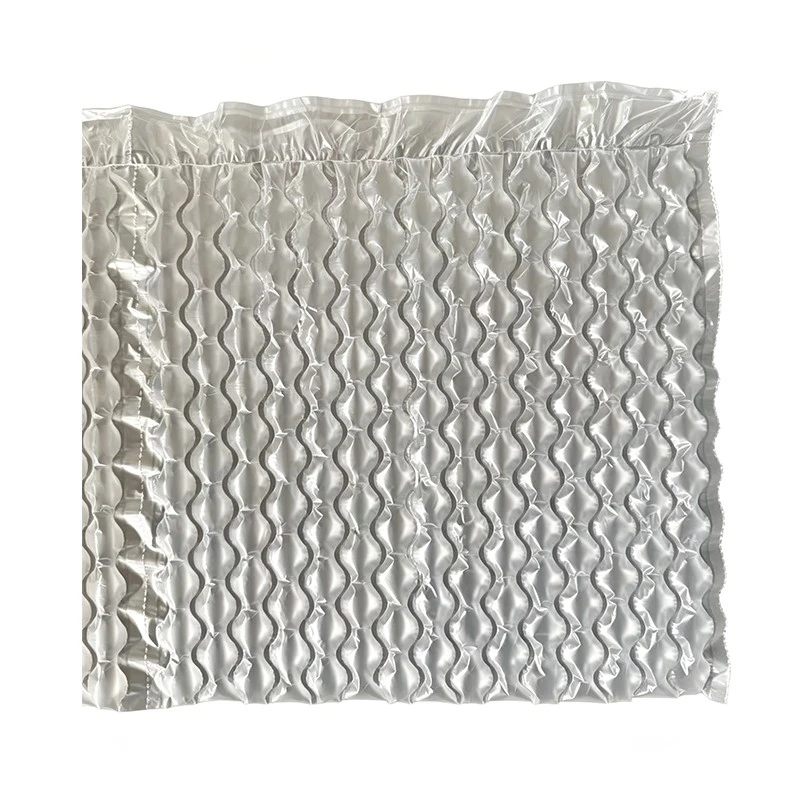
Before we delve into the air pressure, let's take a moment to understand what air cushion bubble wrap is. Air cushion bubble wrap is a type of packaging material that consists of small, air-filled bubbles trapped between two layers of plastic. These bubbles act as a cushion, protecting fragile items from damage during shipping and handling.
The bubbles in the bubble wrap are typically made of low - density polyethylene (LDPE), a type of plastic that is flexible, durable, and resistant to moisture. The size and shape of the bubbles can vary, with common sizes ranging from small, pea - sized bubbles to larger, marble - sized bubbles.
The Role of Air Pressure in Bubble Wrap
Air pressure plays a crucial role in the functionality of air cushion bubble wrap. The air inside the bubbles acts as a shock absorber, redistributing the force of an impact across the surface of the bubble. When an object comes into contact with the bubble wrap, the air inside the bubbles compresses, absorbing the energy of the impact and preventing it from reaching the item being protected.
The ideal air pressure inside the bubbles is a balance. If the air pressure is too low, the bubbles will be too soft and won't provide adequate protection. On the other hand, if the air pressure is too high, the bubbles may burst easily, rendering the bubble wrap ineffective.
Measuring the Air Pressure Inside the Bubbles
Determining the exact air pressure inside the bubbles of air cushion bubble wrap can be a challenging task. There is no one - size - fits - all answer, as the air pressure can vary depending on several factors, including the size of the bubbles, the thickness of the plastic, and the manufacturing process.
In general, the air pressure inside the bubbles of standard air cushion bubble wrap is slightly higher than the ambient air pressure. This is because the bubbles are sealed during the manufacturing process, trapping a certain amount of air inside. The excess pressure gives the bubbles their firmness and allows them to provide effective cushioning.
Some manufacturers use specialized equipment to measure and control the air pressure during production. This ensures that the bubble wrap meets the required quality standards and provides consistent protection. However, for most practical purposes, the exact air pressure is not critical as long as the bubbles are firm and resilient.
Factors Affecting the Air Pressure
Several factors can affect the air pressure inside the bubbles of air cushion bubble wrap:
- Temperature: Temperature has a significant impact on air pressure. As the temperature increases, the air inside the bubbles expands, causing the air pressure to rise. Conversely, when the temperature decreases, the air contracts, and the air pressure drops. This is why bubble wrap may seem more inflated on a hot day and less so on a cold day.
- Altitude: Altitude also affects air pressure. At higher altitudes, the ambient air pressure is lower. If bubble wrap is manufactured at a low altitude and then transported to a high - altitude location, the air inside the bubbles will expand relative to the lower ambient pressure. This can cause the bubbles to become over - inflated and potentially burst.
- Manufacturing Process: The way the bubble wrap is manufactured can also influence the air pressure. For example, if the bubbles are sealed too tightly during production, the air pressure inside may be higher. On the other hand, if the seal is not airtight, the air pressure may gradually decrease over time.
Practical Implications for Packaging
Understanding the air pressure inside the bubbles of air cushion bubble wrap is important for effective packaging. When using bubble wrap to protect fragile items, it's essential to ensure that the bubbles are in good condition and have the right amount of firmness.
If you're shipping items to different locations with varying temperatures and altitudes, you may need to take these factors into account. For example, if you're shipping to a high - altitude area, you may want to use bubble wrap with slightly lower initial air pressure to prevent the bubbles from bursting.
Our Product Offerings
As a supplier of Air Cushion Bubble Wrap, we offer a wide range of products to meet the diverse needs of our customers. Our Packing Air Cushions are designed to provide excellent protection for a variety of items, from small electronics to large furniture.
We also offer Air Pillow Material, which is a popular alternative to traditional bubble wrap. Air pillows are larger and can be used to fill empty spaces in boxes, providing additional cushioning and support.
In addition, our Plastic Air Cushion products are made from high - quality materials, ensuring durability and reliability.
Contact Us for Your Packaging Needs
If you're in the market for high - quality air cushion bubble wrap or other packaging solutions, we'd love to hear from you. Our team of experts can help you choose the right product for your specific requirements and provide you with detailed information about our offerings. Whether you're a small business looking to protect your products during shipping or a large corporation in need of bulk packaging solutions, we have the expertise and products to meet your needs.

References
- Smith, J. (2018). The Science of Packaging Materials. Packaging Journal, 25(3), 123 - 135.
- Johnson, A. (2019). Air Pressure and Its Effects on Packaging. Packaging Technology Review, 18(2), 45 - 52.
- Brown, C. (2020). Understanding the Functionality of Air Cushion Bubble Wrap. Packaging Innovation, 30(4), 78 - 85.


