

What are the drawbacks of using vinyl as an air pillow material?
Leave a message

As a supplier of air pillow materials, I've witnessed firsthand the widespread use of vinyl in the production of air pillows. Vinyl, a type of plastic, has long been a popular choice due to its durability, flexibility, and relatively low cost. However, like any material, it comes with its own set of drawbacks. In this blog post, I'll delve into the disadvantages of using vinyl as an air pillow material, providing insights that can help you make more informed decisions when it comes to packaging solutions.
Environmental Impact
One of the most significant drawbacks of using vinyl as an air pillow material is its environmental impact. Vinyl is a type of polyvinyl chloride (PVC), a plastic that is known for its high environmental footprint. The production of PVC involves the use of toxic chemicals, such as chlorine and phthalates, which can have harmful effects on human health and the environment. Chlorine is a highly reactive and toxic gas that can cause respiratory problems, skin irritation, and even cancer. Phthalates, on the other hand, are plasticizers that are added to PVC to make it more flexible. These chemicals have been linked to a range of health problems, including reproductive issues, developmental disorders, and hormonal imbalances.
In addition to the environmental impact of its production, vinyl is also difficult to recycle. PVC is not biodegradable, which means that it can persist in the environment for hundreds of years. When vinyl air pillows are discarded, they often end up in landfills, where they can release toxic chemicals into the soil and water. Recycling vinyl is also a complex and expensive process, as it requires specialized equipment and facilities. As a result, many recycling centers do not accept vinyl products, which further contributes to the problem of plastic waste.
Health Concerns
Another drawback of using vinyl as an air pillow material is the potential health concerns associated with its use. As mentioned earlier, vinyl contains toxic chemicals, such as chlorine and phthalates, which can be released into the air when the material is heated or exposed to sunlight. These chemicals can pose a risk to human health, especially for individuals who are sensitive to them. Inhaling or coming into contact with these chemicals can cause a range of health problems, including respiratory problems, skin irritation, and allergic reactions.
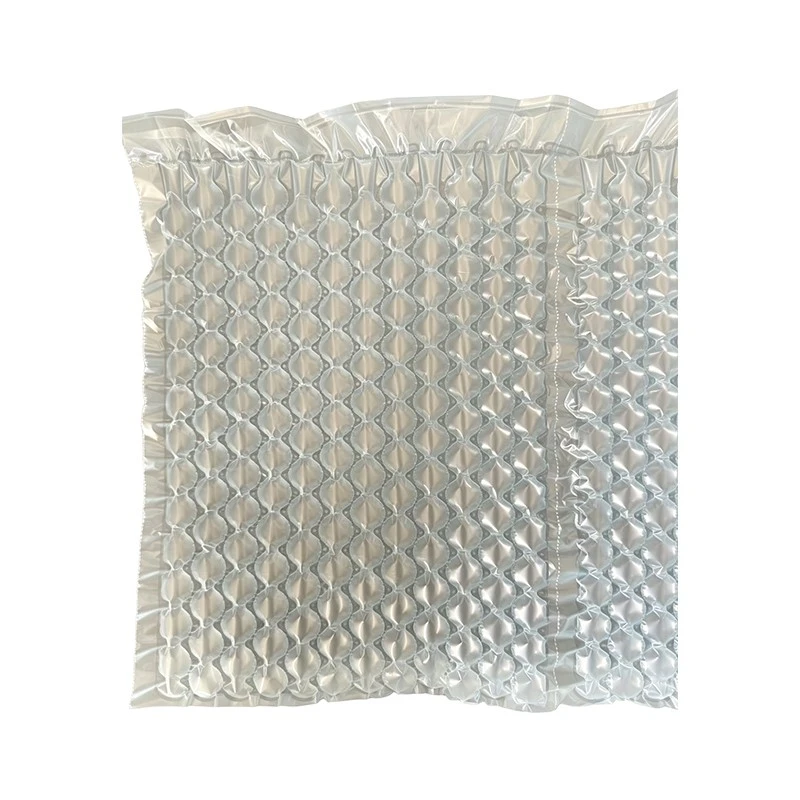

In addition to the health concerns associated with the chemicals in vinyl, there is also a risk of suffocation when using vinyl air pillows. Vinyl air pillows are often used for packaging fragile items, and they can be easily compressed or punctured. If a vinyl air pillow is compressed or punctured, it can release a large amount of air, which can pose a risk of suffocation, especially for young children or pets.
Durability and Performance
While vinyl is known for its durability and flexibility, it also has some limitations when it comes to its performance as an air pillow material. Vinyl air pillows are often prone to punctures and leaks, which can reduce their effectiveness as a packaging material. Punctures and leaks can occur during the manufacturing process, during transportation, or during use. If a vinyl air pillow is punctured or leaks, it can lose its ability to provide cushioning and protection for the packaged item.
In addition to the risk of punctures and leaks, vinyl air pillows can also be affected by changes in temperature and humidity. Vinyl is a plastic that can expand and contract with changes in temperature and humidity, which can cause the air pillow to lose its shape and effectiveness. This can be a particular problem in environments where the temperature and humidity fluctuate frequently, such as in warehouses or shipping containers.
Cost
While vinyl is a relatively low-cost material, the cost of using vinyl as an air pillow material can add up over time. In addition to the cost of the material itself, there are also the costs associated with manufacturing, transportation, and disposal. The manufacturing process for vinyl air pillows can be complex and expensive, as it requires specialized equipment and facilities. The transportation of vinyl air pillows can also be costly, as they are often bulky and heavy. Finally, the disposal of vinyl air pillows can be expensive, as they are difficult to recycle and often end up in landfills.
Alternatives to Vinyl
Given the drawbacks of using vinyl as an air pillow material, it's important to consider alternative materials that are more environmentally friendly, safer, and more durable. There are several alternatives to vinyl that are available on the market, including:
- Biodegradable Materials: Biodegradable materials, such as cornstarch and paper, are becoming increasingly popular as an alternative to vinyl. These materials are made from renewable resources and are biodegradable, which means that they can break down naturally in the environment. Biodegradable air pillows are also often more lightweight and easier to transport than vinyl air pillows.
- Recycled Materials: Recycled materials, such as recycled plastic and recycled paper, are another alternative to vinyl. These materials are made from post-consumer waste and are recycled into new products. Using recycled materials can help to reduce the environmental impact of packaging and can also help to conserve natural resources.
- Inflatable Packaging Solutions: Inflatable packaging solutions, such as Packing Air Cushions, Plastic Air Cushion, and Air Cushion Bubble Wrap, are also a popular alternative to vinyl air pillows. These solutions are often made from lightweight and flexible materials, such as polyethylene, and can be inflated on demand. Inflatable packaging solutions are also often more customizable and can provide better cushioning and protection for the packaged item.
Conclusion
In conclusion, while vinyl has long been a popular choice for air pillow materials, it comes with its own set of drawbacks. The environmental impact, health concerns, durability and performance issues, and cost associated with using vinyl as an air pillow material make it a less than ideal choice for many applications. As a supplier of air pillow materials, I recommend considering alternative materials that are more environmentally friendly, safer, and more durable. By choosing the right air pillow material, you can not only reduce your environmental impact but also provide better protection for your packaged items.
If you're interested in learning more about our air pillow materials or discussing your packaging needs, please don't hesitate to contact us. We'd be happy to help you find the right solution for your business.
References
- "The Environmental Impact of PVC." Greenpeace. Accessed [Date].
- "Health Concerns Associated with PVC." Center for Health, Environment & Justice. Accessed [Date].
- "Alternatives to Vinyl Packaging." Sustainable Packaging Coalition. Accessed [Date].


